
Not Every Truth is Yours to Give
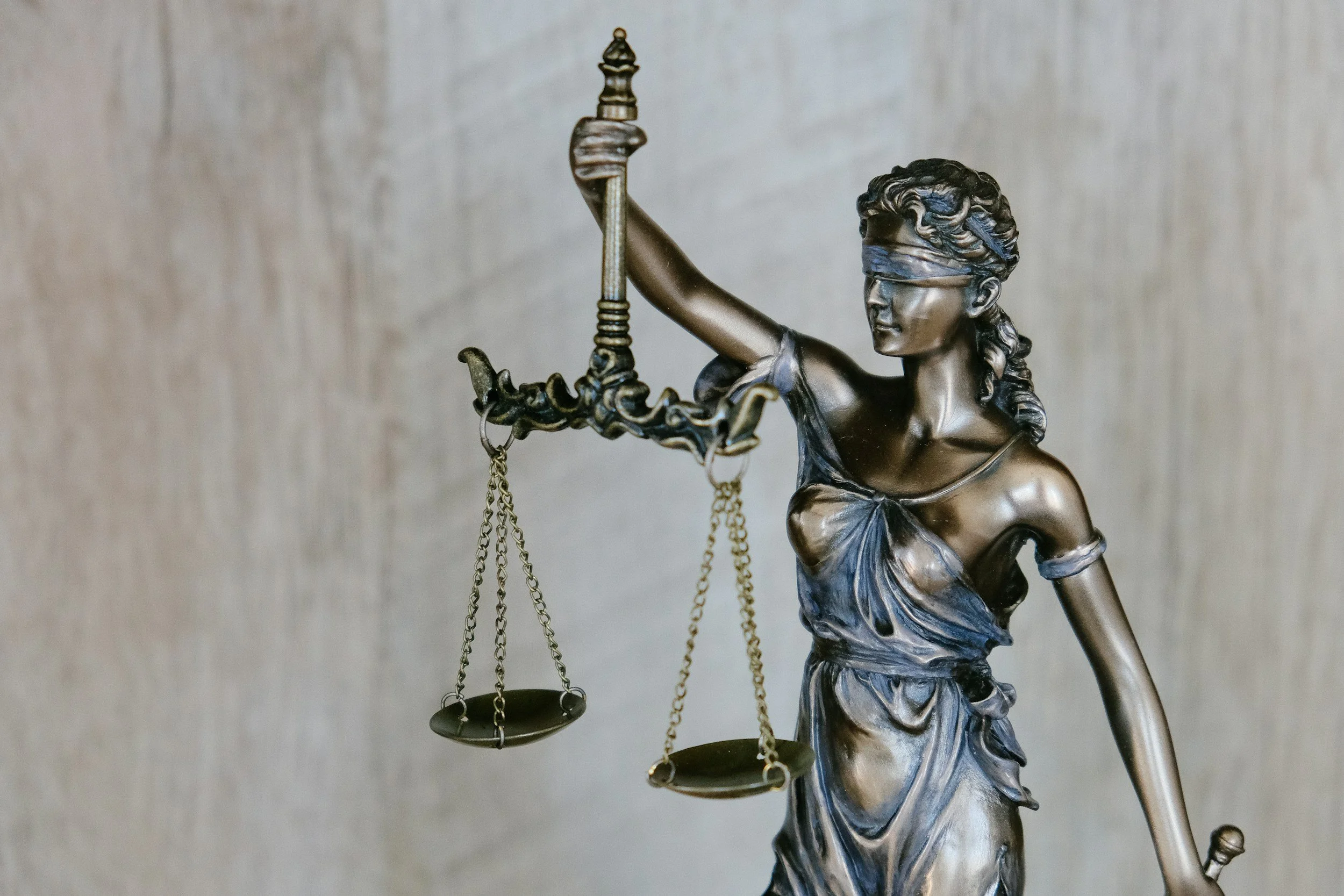
Image by @tingeyinjurylawfirm from Unsplash
"You can't handle the truth!" Those words, delivered by Jack Nicholson in A Few Good Men, the infamous line ever used.
He wasn't lying. That was the uncomfortable thing about him. He genuinely believed he was protecting people — that the truth he carried was too heavy for those beneath him to bear. His silence was, in his own mind, an act of guardianship.
However, he was wrong in how he acted. But the question he raised has never left me: when does withholding the truth become an act of love — and when does it become an act of control?
I know this question from both sides.
To the people who didn't know…
Growing up, I knew my skin looked different. I just didn't know why. I had no language for it, no explanation, no name to reach for. Just the quiet, persistent awareness that something about me was unlike other people — and a silence that surrounded it. I thought I was just “unlucky”.
But my mother knew. She had known for years. And she chose not to tell me.
Not out of shame. Not out of negligence. Out of love. She didn't want a label to shape who I became before I had the chance to become it. She wanted me to grow up as myself — not as a diagnosis.
My mother revealed to me in my late teens that I have NF1 which I wrote in one of my pieces here.
It is no one's fault that I was born with this. Not my mother's. Not mine.
When she finally told me, my first feeling wasn't anger. It was something quieter — a wondering. Why did it take this long? I sat with that question for a while.
But here is what I have come to: now that I know, I understand the way I am. There is finally a relationship between how I look and who I am. That understanding — that completion — was the gift she was eventually able to give me.
The person who carried it alone…
My mother held that truth for years. Smiling at me. Watching me grow. Answering my questions about why I looked different with careful, partial answers — while carrying the full weight of something I didn't yet know.
That is the burden of the protector. You are not free from the truth simply because you have withheld it. You carry it differently. Quietly. And you hold onto the hope that when the time comes, the person on the other side will be ready.
That’s the difference between love and control.
In the movie, Nicholson withheld truth to protect his authority. My mother withheld truth to protect mine.
That is the line. And it matters enormously.
When we withhold truth out of love, we ask: is this person ready? Will there be someone beside them when they hear it? Will knowing serve them, or only break something that cannot yet be rebuilt?
When we withhold truth out of control, we stop asking those questions. We decide — not for them, but for ourselves.
Before you ask — and before you answer…
If you are the one asking: know what you will do with the answer before you seek it. The truth will not wait politely for you to be ready. It arrives. And then you must decide what to do next.
If you are the one holding it: ask yourself honestly — am I withholding this for them, or for me? Is this silence protecting someone I love, or protecting something I want to keep?
My mother did what she thought was right, even if the timing was something I quietly wondered about. She held the truth long enough for me to be able to carry it. And when she felt I finally could, she gave it to me.
That is what it looks like when silence is an act of love.
